Nubrella Shark Tank Net Worth: The Unexpected Patent Fortune
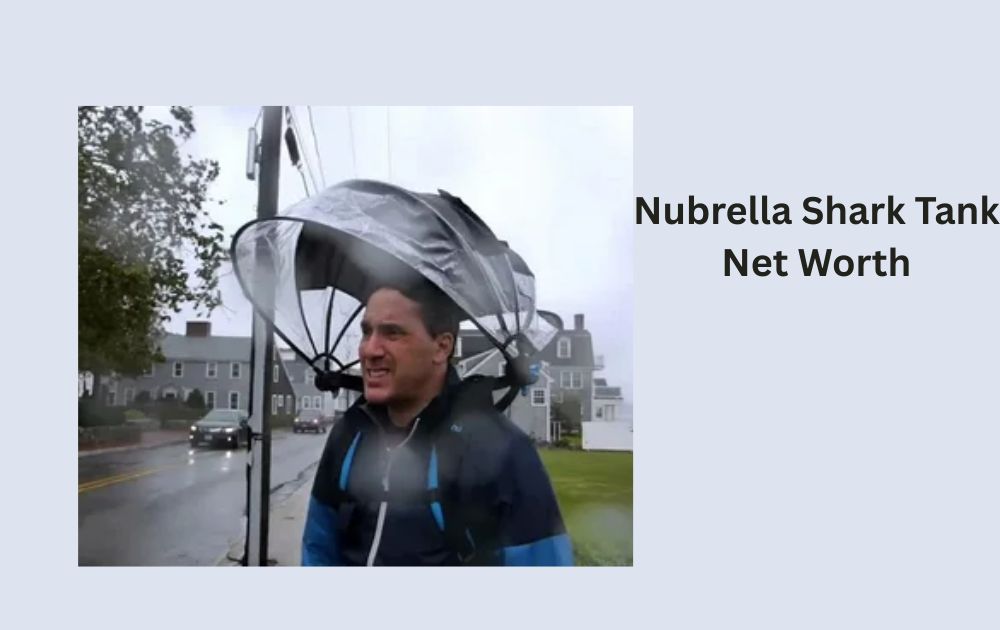
New Yorkers struggled with broken umbrellas every rainy day. They tried holding phones, bags, and flimsy umbrellas all at once. Alan Kaufman watched this problem happen over and over in his stores.
He created something totally different: a hands-free umbrella you wear on your shoulders. The unique design changed how people think about staying dry. Today, fifteen years after appearing on Shark Tank, the nubrella shark tank net worth shows a surprising truth.
Success isn’t just about big sales numbers or becoming famous. Sometimes a great idea matters more than making millions. The nubrella net worth in 2025 proves that patents can hold value even without selling products.
Nubrella Shark Tank Net Worth in 2025
Most people think Shark Tank winners make millions in sales. They picture busy warehouses shipping products everywhere. But the nubrella shark tank net worth tells a different story entirely.
The brand is worth between one and two million dollars right now. This value comes purely from patents and legal protections. The company hasn’t made any products in years.
The patents cover the unique design, trademarks, and manufacturing rights. These legal protections could be worth a lot to other companies. The brand still has value even though production stopped completely.
This proves that smart ideas can outlast actual product sales. Most Shark Tank companies disappear when they stop making things. Alan Kaufman’s creation survived because he protected his invention legally.
The patents alone are worth five hundred thousand to one million dollars. Brand recognition adds another three hundred to five hundred thousand. Future licensing deals could bring in about half a million more.
What Is Nubrella?
Regular umbrellas have worked the same way for thousands of years. They flip inside out when it’s windy and take up your hands. You can’t carry bags or push strollers while holding one.
Alan Kaufman invented something completely new and different. He made a wearable umbrella that sits on your shoulders. It looks like a clear bubble around your head.
A lightweight harness holds it in place comfortably. Your hands stay free no matter how hard it rains. The clear plastic protects your head and shoulders from everything.
Rain, wind, and sun can’t get through this protective shield. Many people thought it looked weird at first. But it actually worked much better than normal umbrellas.
You could walk, ride a bike, carry groceries, or push a baby stroller. The design solved problems that regular umbrellas created every day. This invention challenged how umbrellas had worked for centuries.
The Idea Behind Nubrella
Kaufman owned Cingular Wireless phone stores in Manhattan. Soaking wet customers walked into his shops every time it rained. They struggled with broken umbrellas, wet phones, and heavy bags.
Watching this same problem every day gave him an idea. Working in retail showed him what customers really needed. He saw people fighting with umbrellas during storms constantly.
Someone needed to invent a better solution. People needed weather protection that didn’t require holding anything. Regular umbrellas failed badly in New York’s windy conditions.
He wanted to make something comfortable and actually useful. A wearable shelter would let people move around freely. This idea challenged umbrella designs that hadn’t changed in ages.
Real innovation means asking why things work a certain way. Kaufman was brave enough to completely rethink a common object. This approach to solving problems defined his whole career.
How Nubrella Works?
The clear dome sits comfortably on your shoulders naturally. When the rain stops, you fold it back like a hood. While you’re moving around, it stays locked in position.
The shell is made from strong, wind-resistant plastic. It bends with strong winds instead of flipping inside out. You can see clearly through the transparent material even in heavy rain.
Nothing blocks your view in any direction at all. It never has the flipping problem that regular umbrellas have. Wind resistance is much stronger than traditional folding umbrellas.
Patents protect all these special features and how it’s made. Each smart design choice makes the intellectual property more valuable. These decisions help maintain the brand’s overall worth today.
Legal protection stops other companies from copying the design. The shoulder mount lets you move freely during storms. It gives complete protection all around your head and shoulders.
From Shark Tank to the World Stage
Alan Kaufman appeared on Shark Tank’s first season in 2010. He wanted two hundred thousand dollars for part of his company. He pitched it as the world’s first hands-free umbrella.
Daymond John and Kevin Harrington made him an offer together. Both sharks wanted fifty-one percent of the company combined. Kaufman agreed even though he’d lose majority control.
He needed their business knowledge and connections to grow. But here’s the surprising part: the deal fell apart after filming. Kevin thought the price was wrong for TV shopping channels.
Daymond couldn’t get it into retail stores successfully either. Both sharks backed out completely after looking closer. But national TV exposure still helped the business tremendously.
Thousands of units sold in just a few months. Companies from Asia and Europe wanted to partner with him. Ellen DeGeneres and CNN both featured the product on their shows.
The failed deal didn’t stop the momentum at all. This Shark Tank appearance gave the brand huge recognition. TV exposure turned out more valuable than the actual investment.
Nubrella’s Evolution Over Time
Kaufman improved the design several times after Shark Tank. Newer versions were lighter and easier to use overall. He started marketing it for sun protection too, not just rain.
He even changed the name to “Canope” in 2020. Sales slowed down after the first few successful years. Making and shipping the product cost too much money.
Getting everyday people to buy it proved harder than expected. The company kept all patents active and legally protected though. This smart move keeps the brand worth over a million today.
Instead of making products, he focused on licensing the design. Other companies could pay to use his patented technology. This change saved money while keeping the brand valuable.
Smart business decisions like this protect long-term value effectively. The licensing model brings in money without factory costs. Evolution included the original Shark Tank appearance through multiple improvements.
A lawsuit against Sony Pictures settled in 2016 for payment. The Canope rebrand kept online sales going for a while. Alan Kaufman died unexpectedly in 2022 which shocked everyone.
Nubrella’s Market Impact
The brand never became as famous as major companies. But it influenced how outdoor gear companies think about design. Similar ideas appeared across different industries after this invention.
Sportswear, shade products, and safety equipment borrowed these concepts. The impact goes way beyond just sales numbers. Most inventors never challenge designs that worked for thousands of years.
Kaufman proved that anyone can create something innovative. His courage to think differently created lasting influence everywhere. The brand represents creative business thinking at its best.
One person with determination can reimagine everyday items completely. Success means more than just sales and profit numbers. Long-term influence matters just as much over time.
This story inspires other inventors to question common assumptions. Sometimes changing how people think matters more than money. This Shark Tank product proved that point perfectly.
The influence spread to wearable technology in outdoor products. It changed what customers expect from weather protection items. It proved that wearable canopy designs could work commercially.
Personal Life of Alan Kaufman
Alan Kaufman kept his personal life very private always. His product became famous worldwide, but he stayed quiet. News stories focused on the invention rather than him personally.
He ran retail stores before becoming a full-time inventor. He didn’t try to make himself famous like today’s entrepreneurs. This quiet style was very different from modern business culture.
He cared more about the product than personal recognition. This journey focused on solving real problems, not fame. Kaufman owned several Cingular Wireless stores in New York.
Taking big risks and making investments defined his business approach. Sadly, he died unexpectedly in November 2022 suddenly. The business closed because no one was ready to take over.
No family members or partners continued running the company. The patents and designs remain protected by law today. Future business people could bring the brand back with licensing.
His legacy lives on through the patents he created. This quiet inventor changed how people think about staying dry.
Early Life and Nubrella Highlights
Every great invention starts with noticing a simple problem. Alan Kaufman’s idea came from watching frustrated retail customers. His story shows how the company built its value.
Managing retail stores taught him to spot problems and solutions. Talking with customers every day gave him valuable insights. Kaufman put over nine hundred thousand dollars of his own money into this.
This huge financial risk showed how much he believed in it. He risked his savings to make his vision real. Very few inventors invest this much of their own money.
This problem-solving approach defined his entire career path. Early sales came just from people telling their friends. He sold thirteen thousand units in eighty-six different countries.
News coverage brought both fans and critics to the product. Kaufman listened to feedback and kept improving the design. The unusual look started conversations everywhere people saw it.
From Retail to Rain Gear
Working at Cingular Wireless stores gave Kaufman important insights daily. He watched people walk in completely soaked every rainy day. They carried phones, bags, and broken umbrellas all at once.
Seeing this same problem over and over sparked his creativity. The idea came from real customer struggles he witnessed. He realized a much better solution needed to exist.
Nobody had seriously improved umbrella design in hundreds of years. Kaufman decided to create what people actually needed now. His retail experience helped him make practical design choices.
Understanding what customers want drove every decision he made. He committed to investing almost a million dollars personally. He believed in the idea enough to risk everything.
This dedication created the foundation for today’s brand value. Personal investment makes the business value story more credible. The hands-free solution took years of work and testing.
Version 1 Launch and Media Storm
The first products launched in America and other countries. Sales quickly reached thirteen thousand units across many nations. Cyclists, delivery workers, and busy professionals loved it most.
These target customers valued function over how it looked. This practical rain solution worked perfectly for commuters. People’s reactions were split between loving and hating it.
Critics made fun of the bubble look while users praised it. Kaufman accepted criticism and used it to improve things. This memorable product got massive media attention everywhere.
Good Morning America showed it on national television broadcasts. Ellen DeGeneres talked about it on her popular show. Major newspapers and magazines wrote long articles about it.
Media coverage increased sales and made the brand famous. This exposure created chances to expand internationally fast. The alternative rain gear found its perfect customer group.
Challenges and Slowdown
Early excitement eventually met tough business reality unfortunately. Making the product cost way too much money consistently. Managing suppliers and shipping proved harder than expected.
People hesitated to buy such an unusual design. The weird appearance created problems for marketing efforts. Convincing regular people to wear it proved difficult.
The product worked well, but selling it was tough. Store partnerships ended as growth slowed down noticeably. By the mid-2010s, sales had dropped significantly everywhere.
Customers resisted change more than expected at launch. Patents and designs became the most valuable assets remaining. Kaufman smartly switched focus to licensing the design instead.
This change kept value without expensive factory costs. Patent licensing maintains the worth today without making products. Value from patents eventually exceeded manufacturing profits completely.
Future Plans and Goals
Licensing offers great opportunities with outdoor gear companies now. Bigger manufacturers could pay to use this patented technology. Relaunching the brand remains possible with better marketing today.
Other people might bring it back under a different name. Future licensing opportunities haven’t been explored yet fully. New products could use the hands-free design in creative ways.
Jackets, sun shades, or mixed designs might reach new customers. Working with existing umbrella companies makes good business sense. Partnership deals could show the technology to more people easily.
The wearable gear market keeps growing bigger every year. The patents still hold significant untapped money-making potential. The right business partners could turn dormant assets into income.
Good ideas don’t disappear just because production stops temporarily. Future developments might surprise everyone and revive the brand. This Shark Tank story could definitely have new chapters ahead.
Possibilities include licensing to major outdoor product makers nationwide. Partnering with tech companies for updated designs makes sense. Creating new product lines using hands-free protection concepts continues forward.
Nubrella Shark Tank Update
The Shark Tank deal completely fell apart after filming ended. Kevin Harrington thought the pricing wouldn’t work for TV sales. Daymond John tried getting store distribution but ultimately failed.
Both sharks pulled out, leaving Kaufman to continue alone. The story after the show had more unexpected twists. Kaufman sued Sony Pictures in 2016 asking for money.
He wanted payment for missed opportunities and lost revenue. The lawsuit settled for twenty thousand dollars after negotiations. A second court case got dismissed without any money changing hands.
These legal fights used up lots of time and money. Rebranding to Canope happened in 2020 with online sales continuing. Online revenue reached one million dollars by July 2021.
Tragically, Alan Kaufman died suddenly in November 2022 unexpectedly. The business completely shut down with no succession plan ready. Most Shark Tank stories don’t end this way sadly.
The timeline shows the deal failing after closer examination. The 2016 lawsuit settled while the Canope rebrand launched successfully. Annual revenue hit one million before Kaufman’s tragic death.
FAQ’s
What is Nubrella Shark Tank net worth in 2025?
The nubrella shark tank net worth is $1-2 million today. Patent value drives this worth completely even without making any products currently.
Did the Shark Tank deal with Nubrella actually happen?
No, the deal completely collapsed after filming finished. Kevin Harrington and Daymond John both backed out. Kaufman successfully continued by himself afterwards.
How much did Alan Kaufman invest in Nubrella personally?
Alan Kaufman invested over $900,000 of his own savings. This huge risk covered prototypes, testing, patents, and marketing costs completely.
Is Nubrella still selling products today in 2025?
No, all sales stopped when Alan Kaufman died in November 2022. The business permanently closed without anyone ready to take over operations.
What made Nubrella different from regular traditional umbrellas?
It offered hands-free use, strong wind resistance, and complete protection. The wearable design fixed problems that regular umbrellas created during bad weather.
Conclusion
The nubrella net worth sits between one and two million dollars today. Alan Kaufman’s invention changed how people think about umbrella design. He didn’t achieve mass success, but his legacy remains strong. The brand shows creativity, determination, and business courage. Innovation matters more than huge sales numbers. Challenges never stopped Kaufman from following his vision. Patent value keeps the brand worth alive years later. Future licensing could increase the value significantly. This proves great ideas survive beyond making products.