Charlotte Tucker Silberling: A Deep Dive Into Her Life, Identity, and Quiet Cultural Influence
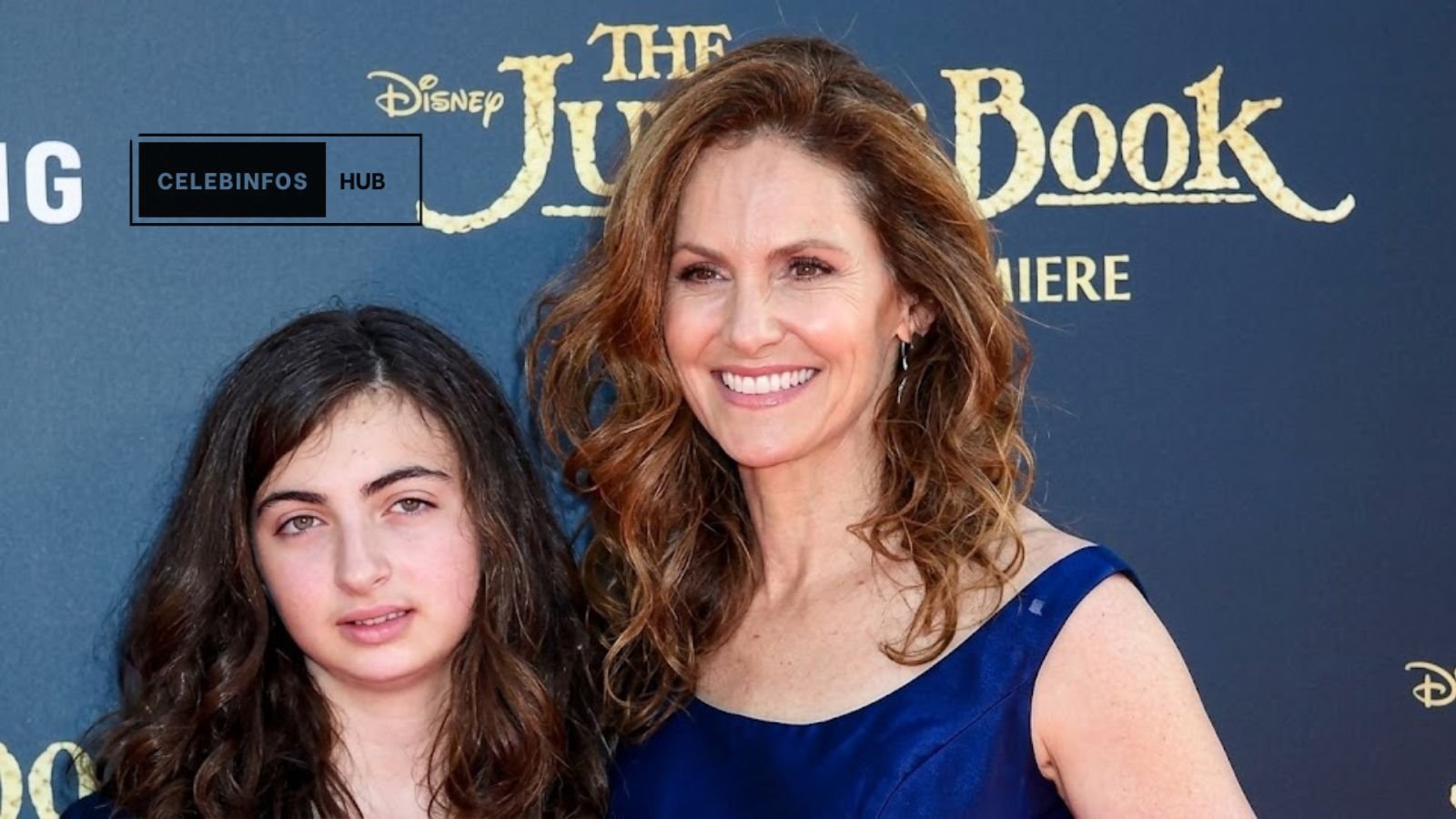
Charlotte Tucker Silberling is the real name of Amy Brenneman’s daughter. She was born in the United States and lives a very private life away from media attention. Unlike many children of Hollywood celebrities, she has not stepped into acting or public work. She is best known as the daughter of actress Amy Brenneman and filmmaker Brad Silberling.
When people search for Charlotte Tucker Silberling biography, they are often curious about her profession and income. However, she does not have a public career and stays outside the entertainment industry. Her main source of financial support comes from her family background, not from a public profession. She is mostly known for her connection to her famous parents and her private, low-profile life.
Quick Bio Snapshot: Charlotte Tucker Silberling
Here’s a clear, fact-based overview to anchor your understanding.
| Attribute | Details |
|---|---|
| Full Name | Charlotte Tucker Silberling |
| Date of Birth | March 20, 2001 |
| Age (2026) | 25 years old |
| Birthplace | United States |
| Parents | Amy Brenneman & Brad Silberling |
| Sibling | Bodhi Russell Silberling |
| Known For | Daughter of celebrity, private individual, neurodivergence narrative |
| Medical Context | Phelan-McDermid syndrome (reported) |
| Public Presence | Extremely limited |
| Cultural Role | Indirect influence through storytelling and advocacy |
Key takeaway: Charlotte is not defined by fame. She represents a family-centered identity rooted in dignity, autonomy, and inclusion.
Who Is Charlotte Tucker Silberling?
At its core, the answer is simple.
Charlotte Tucker Silberling is the daughter of actress Amy Brenneman and filmmaker Brad Silberling.
But that surface-level definition misses the deeper truth.
She exists at the intersection of:
- Celebrity family dynamics
- Neurodivergence discourse
- Privacy vs publicity debates
- Disability advocacy storytelling
Unlike many children of Hollywood figures, Charlotte has remained a non-public figure. That decision—whether personal or family-driven—has shaped how her story unfolds.
You won’t find her chasing attention.
Yet her life has influenced narratives that reach millions.
That contrast is where her story becomes powerful.
See Also: José Torres El Rey de Alto Mando Net Worth, Height, and Biography in 2026
Early Life and Background in a Creative Household
Born in 2001 in the United States, Charlotte grew up in a home where storytelling wasn’t just a profession—it was a way of life.
Her mother, Amy Brenneman, built a reputation through emotionally rich roles and advocacy-driven storytelling. Her father, Brad Silberling, directed films like The Boxtrolls, blending creativity with visual imagination.
What This Environment Meant for Charlotte
Growing up in such a household meant:
- Exposure to art, film, and narrative thinking
- A deep understanding of human emotion and complexity
- A family culture centered on expression and empathy
But here’s what sets her story apart.
Despite these influences, Charlotte did not step into the spotlight.
Instead, her upbringing reflects a deliberate balance:
- Creative exposure
- Paired with strong privacy boundaries
That balance becomes crucial when you consider her health journey.
Family Dynamics and Parenting Philosophy
Understanding Charlotte Tucker Silberling’s life means understanding her family.
Mother: Amy Brenneman’s Influence
Amy Brenneman isn’t just an actress. She’s a storyteller deeply invested in human experience, emotional intelligence, and social issues.
Her work often explores:
- Identity
- Relationships
- Ethical dilemmas
But her most personal work came from motherhood.
Her stage production Overcome stands as a powerful example of autobiographical inspiration, drawing from her experience raising a neurodivergent child.
Father: Brad Silberling’s Creative Lens
Brad Silberling, known for directing The Boxtrolls, brings a different dimension.
His work leans toward:
- Visual storytelling
- Emotional depth
- Character-driven narratives
Together, both parents created a support system rooted in empathy and creativity.
Sibling Relationship: Bodhi Russell Silberling
Charlotte shares her life with her brother, Bodhi Russell Silberling.
Sibling relationships in such families often:
- Provide emotional grounding
- Reinforce family-centered identity
- Strengthen resilience through shared experiences
While little public detail exists, one thing is clear:
This is a tight-knit, supportive unit, not a media-driven family.
See Also: Emily Compagno Husband: The Untold Story of Peter Riley, Marriage, Divorce & New Life
Understanding Charlotte Tucker Silberling’s Condition
One of the most searched questions is:
What condition does Charlotte Tucker Silberling have?
Charlotte has been associated with Phelan-McDermid syndrome, a rare genetic disorder that affects neurological development.
What Is Phelan-McDermid Syndrome?
It’s a condition linked to:
- Delayed speech development
- Cognitive differences
- Behavioral variations
Key Characteristics
- Falls under neurodivergence
- Often classified as an invisible disability
- May not be diagnosed early
Why This Matters
This isn’t just a medical label.
It shapes:
- Identity
- Family dynamics
- Life trajectory
And importantly, it contributes to broader conversations around:
- Cognitive diversity
- Inclusion
- Acceptance
The Reality of Invisible Disabilities
Not all disabilities are visible.
That creates unique challenges:
- Misunderstanding from society
- Delayed diagnosis
- Lack of awareness
Charlotte’s story highlights:
The importance of recognizing invisible disabilities within families and communities.
The Medical Diagnosis Journey and Late Awareness
One overlooked angle competitors miss is the late diagnosis psychological impact.
In many cases, including narratives similar to Charlotte’s:
- Symptoms may appear subtle early on
- Families may search for answers for years
- Diagnosis often comes later in childhood or adolescence
This journey includes:
- Emotional uncertainty
- Trial-and-error support strategies
- Gradual understanding of neurodivergence
Why Late Diagnosis Matters
It affects:
- Self-perception
- Educational pathways
- Family decision-making
And it reinforces a key idea:
Diagnosis is not just medical—it’s deeply emotional and social.
The Power of Privacy: A Rare Modern Choice
In an era dominated by Reddit, Pinterest, Tumblr, and constant sharing, Charlotte’s absence stands out.
She represents something increasingly rare:
A Private Individual in a Hyper-Public World
Privacy vs Publicity
Let’s break it down:
| Aspect | Public Celebrity Child | Charlotte Silberling |
|---|---|---|
| Social Media | Highly active | No verified presence |
| Media Coverage | Frequent | Minimal |
| Public Identity | Carefully crafted | Largely undefined |
| Influence | Direct | Indirect |
Why Privacy Matters
Privacy offers:
- Autonomy
- Dignity
- Freedom from public pressure
Charlotte’s life demonstrates that:
You can shape conversations without becoming the conversation.
Influence Without Fame: The Hidden Impact
Here’s where the story becomes truly unique.
Charlotte’s influence is not visible—but it is real.
Indirect Cultural Impact
Her experiences have influenced:
- Amy Brenneman’s storytelling
- Public awareness of neurodivergence
- Conversations around disability representation
Storytelling as Advocacy
The play Overcome serves as a direct example.
It transforms:
- Personal experience
Into - Public dialogue
Key Insight
Not all influence requires visibility. Some of the most powerful narratives begin in private lives.
Public Curiosity and Misconceptions
With limited information comes speculation.
Let’s separate myth from reality.
See Also: Who Is Chanley Painter’s Husband? Inside Her Married Life, Career, and Net Worth 2026
Common Misconceptions
- She is an actress → ❌
- She is active on social platforms → ❌
- She seeks fame → ❌
Reality Check
- She lives a private life
- She is a non-public figure
- Her story is contextual, not performative
Media Ethics and Representation Boundaries
Covering individuals like Charlotte raises important questions.
What Should Be Shared?
Responsible storytelling includes:
- Respect for privacy
- Avoiding speculation
- Focusing on verified information
Ethical Storytelling in Disability Narratives
There’s a fine line between:
- Awareness
and - Exploitation
Charlotte’s story reinforces:
The need for dignity-driven narratives in disability discourse.
Philanthropy, Advocacy, and Broader Impact
While Charlotte herself remains private, her story contributes to:
- Disability awareness advocacy
- Conversations around inclusion
- Understanding neurodivergence in families
Family Advocacy Role
Through Amy Brenneman’s work and public voice, the family has:
- Increased awareness of rare genetic disorders
- Promoted acceptance and emotional intelligence
- Highlighted parenting neurodivergent children
Life Beyond the Spotlight
Unlike many children of Hollywood celebrities, Charlotte’s path is not publicly documented.
And that’s intentional.
What We Can Infer
Her life likely focuses on:
- Personal growth
- Family connection
- Living outside media pressure
Why This Matters
It challenges a common assumption:
Not every celebrity child is destined for fame.
Legacy and Future Outlook
What defines Charlotte Tucker Silberling’s legacy?
Not awards.
Not fame.
But something deeper.
Core Elements of Her Legacy
- Privacy as influence
- Family-centered identity
- Contribution to neurodivergence awareness
Future Possibilities
Her future remains open:
- Continue private life
- Or engage publicly in advocacy
Either path holds value.
Why Charlotte Tucker Silberling Matters Today
In a culture obsessed with visibility, Charlotte represents:
- Autonomy
- Dignity
- Acceptance
Cultural Significance
Her story contributes to:
- Invisible disability discourse
- Ethical media representation
- Redefining influence
Final Insight
Some lives don’t need a spotlight to create impact. They shape the light itself.
Conclusion
The story of Charlotte Tucker Silberling isn’t about fame.
It’s about:
- Family
- Identity
- Quiet influence
Through her connection to Amy Brenneman and Brad Silberling, she has helped shape narratives around:
- Neurodivergence
- Disability awareness
- Ethical storytelling
And perhaps most importantly:
She shows that privacy is not absence—it’s power.
FAQs About Charlotte Tucker Silberling
Who is Charlotte Tucker Silberling?
She is the daughter of Amy Brenneman and Brad Silberling, known for her private life and connection to disability awareness narratives.
How old is Charlotte Tucker Silberling?
She was born in 2001, making her 25 years old in 2026.
What condition does Charlotte Tucker Silberling have?
She has been associated with Phelan-McDermid syndrome, a rare genetic disorder linked to neurodivergence.
Why is Charlotte Tucker Silberling famous?
She is known due to her parents and her role in shaping disability advocacy storytelling.
Is Charlotte Tucker Silberling active on social media?
No verified presence exists on platforms like Facebook, Twitter, or LinkedIn.
How did Charlotte influence Amy Brenneman’s work?
Her life inspired projects like Overcome, which explore family, neurodivergence, and emotional resilience.