Tin Swe Thant: Discover Alex Wagner’s Mother, Her Life & Family Secrets
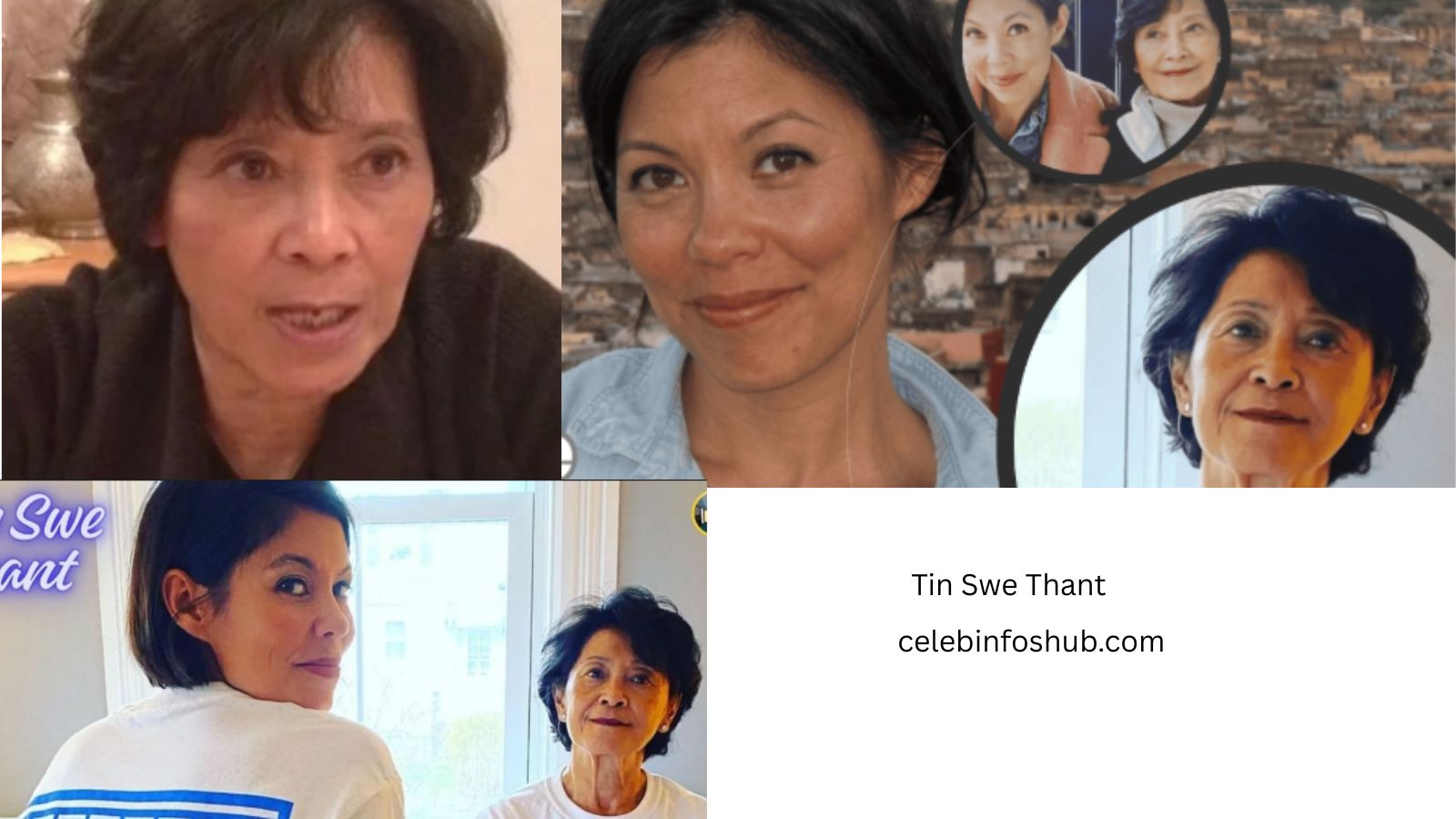
Tin Swe Thant is a Burmese-American immigrant whose life connects deeply with themes of migration, identity, and family history. Many people know her as the mother of journalist and television host Alex Wagner, but her story goes far beyond that simple label. Born in Yangon (Rangoon), Myanmar (Burma), she grew up surrounded by rich culture, traditions, and Southeast Asian heritage. Later, she moved to the United States for higher education at Swarthmore College, a step that reflects both courage and determination. Like many immigrants, she carried her Burmese cultural roots while adapting to a new country, language, and people, shaping a meaningful journey filled with hope, hard work, and strong values.
From my experience writing about immigrant stories, what makes Tin Swe Thant stand out is her quiet yet powerful influence. She lived a private life, yet her role in raising her only child, Alex Wagner, alongside Carl Wagner, played a key part in shaping ideas of identity, belonging, and cultural background. Her story, often explored through the memoir Futureface, reflects a larger family narrative about memory, heritage, and the American story. Despite limited public information, her life represents the experiences of many who left their homeland seeking opportunities, building a future rooted in love, sacrifice, and resilience, while influencing perspectives on global issues, worldview, and success.
A Brief Biography
| Field | Details |
| Full Name | Tin Swe Thant |
| Date of Birth | Not publicly disclosed |
| Age | Estimated between 70 to 80 years |
| Birthplace | Yangon (formerly Rangoon), Myanmar (Burma) |
| Nationality | Burmese-American |
| Ethnicity | Burmese |
| Religion | Not publicly confirmed (often associated with Buddhism) |
| Languages Spoken | Burmese, English |
| Current Residence | United States |
| Profession | Not publicly confirmed (often described as a homemaker/private individual) |
| Public Profile | Maintains a private lifestyle; not a public figure |
| Education (Myanmar) | Early education in Myanmar |
| Higher Education | Attended Swarthmore College (USA) |
| Immigration | Immigrated to the United States; family fled Burma in the 1960s |
| Marital Status | Married |
| Husband | Carl Wagner |
| Children | Alex Wagner (only child) |
| Famous Family Member | Alex Wagner (Journalist & Television Host) |
| Known For | Being the mother of Alex Wagner |
| Family Significance | Featured in Alex Wagner’s memoir Futureface |
| Cultural Background | Strong Burmese heritage with immigrant family roots |
| Migration Context | Relocated due to political and social changes in Burma |
| Public Recognition | Known mainly through her daughter’s media presence |
| Net Worth | Not publicly disclosed |
| Social Media Presence | Not active; prefers privacy |
| Life in the U.S. | Built a family life while maintaining cultural identity |
| Role as a Mother | Played a key role in shaping Alex Wagner’s identity and values |
| Legacy | Represents immigrant resilience and cultural heritage |
Why Is Tin Swe Thant Known to the Public?
Tin Swe Thant is known in the public sphere mainly because of her connection to journalist, author, and MSNBC host Alex Wagner, who presents Alex Wagner Tonight. Although she is not a typical public figure, her life story and heritage gained attention through her daughter’s work, especially the 2018 memoir Futureface: A Family Mystery, an Epic Quest, and the Secret to Belonging. This central theme follows her journey from Burma (Myanmar) to the United States, showing deep ideas of Cultural Identity, exile, displacement, and mixed-race identity shaped by her early experiences in Rangoon (Yangon) during British colonialism and later immigration to America.
In addition, her presence in interviews and articles like The Atlantic highlights her role in Public Advocacy, where topics such as the Asian Spring, justice, and recognition for people of Asian descent are discussed. Beyond media, her name also appeared in legal records in New York as a plaintiff in Tin Swe Thant v. The City of New York, involving a personal injury claim linked to construction. These moments, along with her influence on a broader narrative lens, explain why people remain curious about her story.
Early Life and Background
Tin Swe Thant was born in Yangon, Myanmar (Burma) during a period of political change and cultural change, where Burmese traditions existed alongside strong British influence in education. Schools followed English systems, yet families continued to protect their local values, creating a unique balance. She grew up in a disciplined environment where respect, learning, and identity shaped her early life. As a student, she remained deeply connected to her Burmese roots, even under external pressure to accept foreign customs. From my experience, such environments quietly build strong personalities, where values, beliefs, and cultural roots guide decisions for life.
At the same time, her story reflects a broader pattern seen in many immigrants who grow up in societies where family traditions, culture, and community shape daily life. In Myanmar (Burma), strong family bonds, discipline, kindness, and responsibility are deeply rooted, influencing how people think and act. Later, as families move to a new country, they try to balance their heritage with a new society, raising children who understand multiple cultures and develop a wider view of the world. Insights from Alex Wagner’s Atlantic essay further highlight how growing up near Rangoon (Yangon) during British colonial rule, attending English schools, and adapting to Western school names shaped her identity. This background adds a strong human angle, showing how politics, colonial systems, and public identity influenced her journey long before moving to the United States, making her story an important part of Burmese history, family lineage, and the immigrant experience reflected in her daughter’s writing.
Childhood in Myanmar (Burma)
Tin Swe Thant spent her childhood in Myanmar (Burma), born in Yangon (Rangoon) near the Irrawaddy River delta, a place rich in history and tradition. Her early life reflected deep Burmese culture, where family life, values, respect, education, and community shaped her early years. She grew up surrounded by traditional customs, festivals, and family rituals that left a lasting impression on her personality. At the same time, the country was going through a transition from British colonial rule to independence, bringing unique cultural pressures that influenced her upbringing in subtle but powerful ways.
One defining moment from her childhood came during her time in British-run English schools, where she was not allowed to use her Burmese name. Her father, U Thant Gyi, gave her the Western name Maureen, inspired by Hollywood star Maureen O’Hara, and even today her oldest friends still call her Maureen. This reflects the colonial context, often described as the sunset of British colonialism, where Western assimilation was linked to formal education and social advancement. Despite this, her family values focused on modesty, calm, and obeisance, while her mother (grandmother) described the Burmese as the Irish of the East, known for smiling and laughter despite hardships. Later, in the late 1960s, she made her departure to Swarthmore College in the United States, where she reclaimed her birth name Tin Swe Thant on official records, showing a strong return to her identity.
Connection to U Thant and Family Heritage
The “Thant” Name in Burmese Culture
In Myanmar, people do not typically use surnames. Instead, names are chosen for their meaning or based on the day of the week a person is born. I’ve seen how this system shapes identity in a very personal way. For example, Tin Swe Thant got her name from her father, U Thant Gyi, who gave it with care. The U is an honorific meaning Mr, while Thant Gyi was his given name. In another case, U Thant, the Secretary-General, had the given name Thant and was often referred to as Pantanaw U Thant to distinguish his hometown.
Connection to U Thant and Family Heritage
Looking deeper into Tin Swe Thant’s Heritage, her family history is documented by her daughter, Alex Wagner, in the book Futureface. Her father, U Thant Gyi, belonged to the Burmese professional class during the transition from British colonial rule. Her lineage shows a cosmopolitan nature in pre-independence Rangoon (Yangon), blending Burmese traditions with Western education. Her immigration story also stands out—she emigrated to the U.S. in the late 1960s to attend Swarthmore College, later becoming a naturalized citizen. On the other side, U Thant’s Heritage includes his direct family—he was married to Daw Thein Tin, had a daughter Aye Aye Thant, and a son Tin Maung Thant, who died in 1962. His grandson, the famous historian Thant Myint-U, is known as the author of The River of Lost Footsteps. Today, he remains the most famous relative linked to U Thant, showing how two different family paths can still connect through culture, not blood.
Cultural Background and Identity of Tin Swe Thant
A Life Between Two Cultures
Tin Swe Thant’s life reflects a strong balance between her Burmese roots and her American journey. When she moved to the United States, she faced real challenges like language barriers, cultural differences, and the emotional weight of being far from home. I’ve seen in many immigrant stories how this phase can shape a person deeply, and her experience feels no different. Instead of losing her identity, she held onto it. She continued family traditions, celebrated cultural festivals, and shared meaningful stories from Myanmar with her daughter, Alex Wagner. This helped build a deep sense of belonging and identity within her family.
Preserving Identity While Adapting
At the same time, Tin Swe Thant adapted to her new environment with strength and resilience. She didn’t just adjust—she blended both cultures in a thoughtful way. Her marriage to Carl Wagner, a political strategist, created a home where Burmese and American values lived side by side. In raising Alex Wagner, she focused on education, discipline, and curiosity. She encouraged learning about history, culture, and politics, which later shaped Alex’s career path. This balance of cultural preservation and adaptation shows how identity can grow stronger, not weaker, through change.
Education and Academic Journey
In her Education and Academic Journey, Tin Swe Thant adapted to a new environment with strength and resilience. She didn’t just adjust; she blended different cultures in a thoughtful way. Her marriage to Carl Wagner, a political strategist, created a home where Burmese and American values lived side by side. While raising Alex Wagner, she focused on education, discipline, and curiosity. She encouraged learning about history, culture, and politics, which later shaped her career path. This balance between cultural preservation and adaptation made her identity even stronger through change.
A Life Between Two Cultures
Looking back, Tin Swe Thant’s life clearly reflects a strong balance between her Burmese roots and her American journey. When she moved to the United States, she faced real challenges like language barriers, cultural differences, and the emotional weight of being far from home. Many immigrant stories show how this phase can shape a person deeply, and her experience proves the same. She protected her identity instead of losing it, as she held onto her values, continued family traditions, celebrated cultural festivals, and shared meaningful stories from Myanmar with her daughter, Alex Wagner. This effort helped build a deep sense of belonging within her family.
Immigration Journey and Life in the United States
In her Education and Academic Journey, Tin Swe Thant started over in a new country where life was never easy, especially alone. She had to learn new ways of living, speaking, and connecting with people around her. From my experience studying immigrant journeys, this stage often defines a person’s mindset. She faced hard days and moments of doubt, yet she pushed through with quiet strength. Those early days proved how tough she truly was and shaped her ability to grow in unfamiliar environments.
Leaving Burma and Moving to America / Building a Future for Her Family
Leaving Burma and moving to America was one of the biggest decisions of Tin Swe Thant’s life. She left behind everything she knew to start fresh in a completely new world. America felt loud, fast, and different from her quiet life in post-colonial Southeast Asia, but she remained brave enough to take that step. Her move was not just for a better life, but for building something real and lasting for her future family. She planted herself in new soil and made it work with patience and courage. That single brave step changed the course of her entire family story.
Marriage and Family Life
Marriage to Carl Wagner
After her marriage to Carl Wagner, Tin Swe Thant embraced a life full of shared responsibilities and mutual support. Together, they navigated both personal and professional worlds, balancing their careers and social lives while creating a nurturing home. The household was deeply shaped by their combined backgrounds—Burmese mother, American father, and Europe roots blending into a unique environment rich with languages, social histories, and cultural understanding. This family setting gave their only child, Alex Wagner, a sense of identity that reflected both heritage and opportunity. From the early days, the couple instilled values of respect, curiosity, and a grounded sense of meaning, ensuring that their child’s growing up years were filled with love, guidance, and the freedom to explore personal interests.
Nurturing Alex Wagner
Raising Alex Wagner meant more than everyday parenting—it involved guiding her through the subtleties of life shaped by immigrant parents, bridging the worlds of Burmese mother, American father, and distant Europe connections. Tin Swe Thant often shared stories and history, helping Alex understand her background, roots, and the mixed-race identity she carried. Through emotional search, identity, and sense, Alex learned to appreciate the complexities of her family’s journey, gaining insights from undocumented, unspoken experiences, and reflections on what was lost, softened, or gained through generations. Each profile or published story she encountered, including those in The Cut and other media, reinforced the importance of family story, story represents, and the influence of nurturing children in shaping character and values for a life that honors both past and future.
Influence on Alex Wagner
Growing up with a Burmese mother and American father, Alex Wagner had a unique perspective on culture, identity, and history that shaped her entire career. Tin Swe Thant guided her with values like education, resilience, and curiosity, helping Alex explore social issues and political issues with empathy and insight. From interviews to her book, Futureface, Alex often reflects on her family background, ancestry, and belonging, showing how her mother’s guidance was a central part of her professional journey. The love and quiet strength in her home, along with keeping Burmese culture alive even in America, gave Alex a firm sense of roots and pride in her Asian American identity.
Personal Life and Privacy
Tin Swe Thant was more than a mother; she was Alex’s first teacher, role model, and greatest source of strength. Through watching her mother’s life story, Alex learned bravery in silence and gained a perspective on race, struggle, and privilege that most people never experience. These lessons showed up in everything she did as an MSNBC journalist and in her cultural memoir, Futureface, where she explored her immigrant roots across Burma, Europe, and America. By embracing her story without seeking fame or spotlight, Alex demonstrates how a great person can grow from someone who gave everything for her, making Tin Swe Thant’s influence undeniable in her life and work.
Tin Swe Thant has always kept a private life away from media, choosing to focus on family, culture, and her personal journey rather than public attention. Her home life with Alex Wagner and Carl Wagner was grounded in love, respect, and cultural traditions from her Burmese mother and American father roots. She balanced the household, nurtured her children, and maintained social histories and family stories without letting outside gossip interfere. Even as her daughter’s career drew public attention, Tin Swe Thant preferred a life of quiet guidance, emphasizing identity, meaning, and roots in a safe, nurturing environment.
Public Interest in Tin Swe Thant
Despite her efforts to stay out of the spotlight, public interest in Tin Swe Thant remains strong because of her connection to Alex Wagner. Readers and media outlets are drawn to her family background, the story of a Burmese mother raising a child with an American father, and how those experiences shaped a public figure. Her undocumented and unspoken personal history, the lessons in resilience, empathy, and cultural heritage, and her quiet influence on Alex’s identity create a narrative that is both intriguing and meaningful. Tin Swe Thant’s life demonstrates how someone can profoundly impact the world from behind the scenes while keeping privacy, family, and values intact.
Interesting Facts About Tin Swe Thant
Name Change Story in School
As a child, Tin Swe Thant experienced a name change in school that reflected both cultural adaptation and personal growth. This small but meaningful event highlighted the challenges of navigating identity, roots, and cultural heritage while growing up with a Burmese mother and American father. It gave her an early understanding of how names, background, and social histories shape how others perceive you and how you see yourself.
Connection to “Futureface”
Tin Swe Thant plays a central role in Futureface, the memoir by her daughter, Alex Wagner. The book explores ancestry, immigrant roots, identity, and belonging, with her family background at the heart of the story. Readers gain insights into how her Burmese maternal roots, combined with American father influences, shaped Alex’s worldview and professional journey. Her quiet guidance, emphasis on values, and lived experiences provide the foundation for much of the memoir’s depth and authenticity.
Unique Family Insights
Through the lens of her unique family insights, Tin Swe Thant demonstrates the blending of Burmese culture, American upbringing, and European connections. She taught lessons of resilience, curiosity, and meaning, ensuring that her children understood both struggle and privilege. Her household and family stories, often undocumented or unspoken, reflect a life rich in tradition, love, and quiet strength—shaping not just Alex Wagner, but a broader understanding of how identity and roots guide personal and professional growth.
Where Is Tin Swe Thant Now?
Tin Swe Thant is a Burmese‑American woman originally from Yangon (Rangoon), Burma (now Myanmar). She moved to the United States in the 1960s for education and built her life in America. Today, she lives on Long Island, New York in the U.S. and has retired from professional life. She keeps a private, family‑focused lifestyle, rarely engaging in public or social media life, aside from occasional family photos shared by her daughter.
Her Life Today
Now in her later years (estimated around age 80), Tin Swe Thant enjoys a quiet and peaceful life. She spends her time with family, cherishes familiar routines, and balances Burmese cultural traditions with her life in the U.S. Despite her daughter’s public career, she chooses privacy, connecting with relatives and friends mostly in personal settings rather than media or public appearances.
Family and Grand children
Tin Swe Thant is best known publicly for being the mother of American journalist Alex Wagner. She married Carl Wagner, whom she met while studying in the U.S., and together they raised Alex.
She is also a grandmother and has two grandsons — often named with Burmese‑inspired middle names — whom she enjoys spending time with. These grandchildren carry on parts of their Burmese heritage through family traditions and names chosen with Tin’s influence.
Frequently Asked Questions
Who is Tin Swe Thant?
Tin Swe Thant is a Burmese-American woman from Yangon, Myanmar, best known as the mother of journalist and TV host Alex Wagner. She is private and family-oriented, maintaining a quiet life in the U.S.
What is Alex Wagner’s height?
Alex Wagner stands at 5 feet 10 inches (178 cm) tall.
What is Alex Wagner’s net worth?
Alex Wagner’s estimated net worth is around $3 million, earned through her career in journalism, TV hosting, and authorship.
Where was Tin Swe Thant born?
She was born in Yangon (Rangoon), Myanmar, formerly known as Burma.
Who is Alex Wagner’s mother?
Alex Wagner’s mother is Tin Swe Thant, a Burmese-American woman known for her family influence and cultural heritage.
What is Tin Swe Thant’s nationality?
Tin Swe Thant is Burmese-American, having immigrated to the United States in the 1960s and later becoming a U.S. citizen.
Who did Tin Swe Thant marry?
She married Carl Wagner, an American political consultant. They later divorced, and Carl passed away in 2017.
Why did Tin Swe Thant change her name?
Tin Swe Thant reportedly changed her name during her school years in the U.S. to make it easier for Americans to pronounce, while keeping her Burmese identity privately.
Is Tin Swe Thant still alive?
Yes, Tin Swe Thant is still alive and lives a quiet, family-focused life in Long Island, New York.
What is Tin Swe Thant doing now?
Currently, she is retired and enjoying life with her family, including spending time with her grandchildren, preserving Burmese traditions, and maintaining her private lifestyle.
Conclusion
Tin Swe Thant has led a life marked by cultural pride, family devotion, and quiet strength. From her early years in Yangon, Myanmar, to building a life in the United States, she has balanced her Burmese heritage with American life, shaping not only her own journey but also the path of her daughter, Alex Wagner. Today, she enjoys a peaceful, family-centered life, cherishing moments with her grandchildren while keeping her private world intact. Her story reflects resilience, love, and the importance of family roots, leaving a lasting impression on those who know her.