Happy Dad Net Worth 2026: Revenue, Owners, Brand Value & Ownership Breakdown
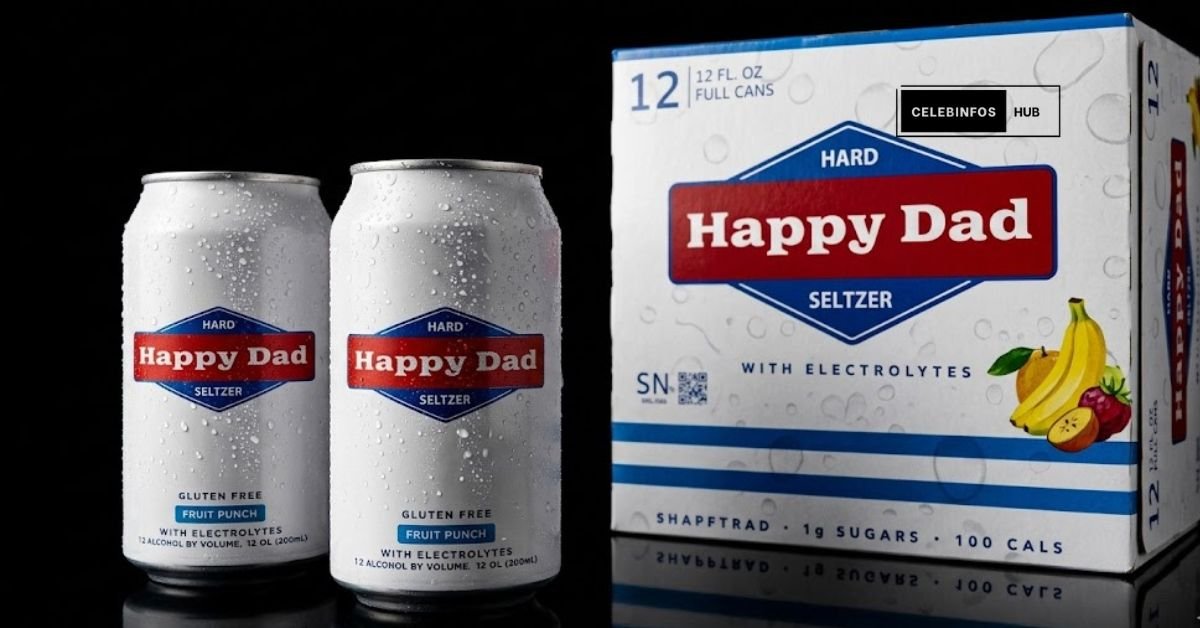
The hard seltzer market has created several billion-dollar brands over the past decade. Yet few companies have grown as quickly or generated as much online attention as Happy Dad.
Built by the creators behind Full Send and the Nelk Boys, Happy Dad transformed from a social media experiment into one of the most recognizable names in the modern beverage industry. What started as an influencer-backed product has evolved into a legitimate consumer packaged goods brand competing against industry giants such as White Claw, Truly, and High Noon.
Today, millions of consumers across the United States recognize the distinctive blue cans, celebrity collaborations, and lifestyle-driven marketing that helped make Happy Dad a standout success story.
As a result, one question continues to dominate search results:
What is Happy Dad net worth in 2026?
Based on industry estimates, revenue growth trends, distribution expansion, and comparable beverage company valuations, analysts estimate the Happy Dad brand value falls between $250 million and $300 million in 2026.
The company’s estimated annual revenue now ranges between $80 million and $100 million, making it one of the fastest-growing influencer-led beverage brands in North America.
See Also: Kathy Wopat: The Private Life, Family Values, and Quiet Strength Behind Tom Wopat’s Career
Happy Dad Net Worth in 2026
Estimating the value of a privately held beverage company requires analyzing several factors:
- Revenue
- Market share
- Retail distribution
- Growth rate
- Brand recognition
- Investor interest
- Expansion strategy
Unlike publicly traded beverage companies, Happy Dad does not disclose every financial detail. However, market analysts frequently compare the company with similar high-growth alcohol brands.
Estimated Happy Dad Valuation
| Metric | Estimated Value |
| Brand Value | $250–300 million |
| Annual Revenue | $80–100 million |
| Launch Year | 2021 |
| Estimated Cans Sold | 224+ million |
| Sales Growth | 14% annually |
| Distribution Footprint | Nationwide U.S. |
| Product Category | Hard Seltzer & Hard Tea |
These figures place Happy Dad among the most successful influencer-backed consumer brands launched during the social media era.
The company’s valuation is largely driven by:
- Strong retail performance
- Exceptional brand loyalty
- Massive social media reach
- Expanding distribution network
- Premium pricing strategy
Unlike many beverage startups that struggle after launch, Happy Dad successfully converted online followers into repeat customers.
Quick Facts About Happy Dad
| Category | Details |
| Company Name | Happy Dad |
| Industry | Alcoholic Beverages |
| Headquarters | Orange County, California |
| Founders | Kyle Forgeard, Sam Shahidi, John Shahidi |
| Associated Brand | Full Send |
| Associated Group | Nelk Boys |
| Product Category | Hard Seltzer |
| Launch Date | 2021 |
| ABV | 5% |
| Calories | 100 |
| Carbs | 1g |
| Gluten-Free | Yes |
| Sweetener Base | Fermented Cane Sugar |
| Main Market | United States |
| Expansion Markets | Canada, Europe, Australia |
Who Owns Happy Dad?
One of the most searched questions online is:
Who owns Happy Dad?
The company was founded by three key entrepreneurs:
- Kyle Forgeard
- Sam Shahidi
- John Shahidi
These founders combined their expertise in content creation, influencer marketing, and consumer branding to create a new kind of beverage company.
Kyle Forgeard’s Role
As the leader of the Nelk Boys, Kyle Forgeard brought a massive audience to the brand.
His influence extends across:
- YouTube
- TikTok
- Merchandise
- Lifestyle branding
With more than 20 million combined followers and subscribers, Kyle became one of the driving forces behind Happy Dad’s rapid customer acquisition.
Sam Shahidi’s Role
Sam Shahidi is widely regarded as the business architect behind the operation.
Before Happy Dad, Sam co-founded the Shots Podcast Network, a media company known for helping creators scale their brands and monetize audiences.
His expertise in:
- Digital marketing
- Brand partnerships
- Venture investments
- Influencer commerce
played a major role in transforming Happy Dad from a beverage launch into a scalable business.
John Shahidi’s Role
John Shahidi helped build the infrastructure behind the company.
His focus includes:
- Strategic partnerships
- Investor relations
- Distribution growth
- Business operations
Together, the founders created a powerful combination of entertainment, community, and consumer products.
Happy Dad Ownership Percentage
Since Happy Dad remains privately held, exact ownership percentages have never been publicly released.
However, industry observers generally believe ownership is concentrated among:
| Stakeholder | Estimated Ownership Influence |
| Kyle Forgeard | Major Co-Founder Stake |
| Sam Shahidi | Major Co-Founder Stake |
| John Shahidi | Major Co-Founder Stake |
| Strategic Investors | Minority Stakes |
| Brand Partners | Limited Equity Interests |
Private investors reportedly include groups connected to:
- Anti Fund
- Lakeside Capital
- Strategic consumer product investors
Ownership structures often evolve as brands raise capital for growth and distribution expansion.
The founders still appear to maintain substantial control over company direction and brand identity.
How Much of Happy Dad Does Steve Own?
Another popular search query involves SteveWillDoIt.
Many fans assume Steve owns a large percentage of the company because of his public association with the brand.
The reality is more nuanced.
Is SteveWillDoIt a Founder?
No.
SteveWillDoIt is not considered a founding owner of Happy Dad.
The official founders remain:
- Kyle Forgeard
- Sam Shahidi
- John Shahidi
Does Steve Have Equity?
Industry reports suggest Steve may have received compensation through:
- Partnership agreements
- Promotional arrangements
- Revenue-sharing opportunities
- Potential minority equity participation
However, no verified public documentation confirms a specific ownership percentage.
Why Steve Matters to Happy Dad
Steve became one of the most recognizable faces associated with the brand.
His influence helped drive:
- Viral marketing campaigns
- Product awareness
- Social engagement
- Community growth
For many consumers, SteveWillDoIt became synonymous with the Happy Dad lifestyle.
Steve Happy Dad Net Worth
The success of Happy Dad significantly contributed to SteveWillDoIt’s overall business ecosystem.
Estimated SteveWillDoIt Net Worth
Industry estimates place Steve’s personal net worth between:
$8 million and $15 million
His wealth comes from several sources:
- YouTube earnings
- Sponsorship deals
- Merchandise sales
- Investments
- Brand partnerships
- Happy Dad-related promotions
Income Streams
Steve represents a new generation of creator entrepreneurs who monetize attention across multiple channels.
His success demonstrates how personal branding can generate revenue far beyond traditional advertising.
Kyle Forgeard Net Worth
Few digital entrepreneurs have built a stronger community than Kyle Forgeard.
As the face of the Nelk Boys, Kyle transformed a prank channel into a diversified media empire.
Estimated Kyle Forgeard Net Worth
Current estimates place Kyle Forgeard’s net worth between:
$30 million and $45 million
His wealth comes from:
- Full Send merchandise
- Happy Dad ownership
- Investments
- Content creation
- Sponsorships
- Business partnerships
Why Kyle’s Net Worth Continues Growing
Unlike many influencers who depend entirely on platform revenue, Kyle owns significant business assets.
Those assets include:
- Equity stakes
- Consumer brands
- Intellectual property
- Merchandise operations
Ownership creates long-term wealth that often exceeds advertising income.
How Full Send Helped Build Happy Dad
One of Happy Dad’s biggest advantages came from its connection to Full Send.
Full Send already had:
- Millions of loyal fans
- Strong brand recognition
- Proven merchandise success
- Established audience trust
When Happy Dad launched, it didn’t need to spend years building awareness.
The audience already existed.
This gave the company a major advantage compared with traditional beverage startups.
The Power of Community Building
Happy Dad succeeded because it sold more than a drink.
It sold membership in a lifestyle.
Consumers weren’t simply purchasing a hard seltzer.
They were buying into:
- A community
- A culture
- An identity
That emotional connection helped create remarkable levels of customer retention.
Sam Shahidi Net Worth
While Kyle Forgeard often receives the spotlight, many industry insiders credit Sam Shahidi for helping transform Happy Dad into a scalable business.
Estimated Sam Shahidi Net Worth
Analysts estimate Sam Shahidi’s net worth falls between:
$40 million and $60 million
His wealth comes from:
- Shots Podcast Network
- Startup investments
- Happy Dad ownership
- Brand partnerships
- Digital media ventures
Entrepreneurial Background
Sam has spent years building companies around creator-driven audiences.
His expertise in:
- Audience engagement
- Social media marketing
- Digital branding
- Influencer marketing
helped position Happy Dad as more than a beverage company.
Instead, it became a modern lifestyle brand.
Why Sam’s Role Is Critical
Many influencer products fail because they rely solely on fame.
Sam focused on creating:
- Sustainable revenue streams
- Retail partnerships
- Product differentiation
- Long-term brand equity
That strategy helped Happy Dad survive beyond its initial launch hype.
Happy Dad Net Worth Forbes: Has Forbes Valued Happy Dad?
Many users search for Happy Dad Net Worth Forbes expecting an official valuation.
As of 2026, Forbes has not publicly assigned a definitive company valuation to Happy Dad.
However, financial analysts often estimate value using:
- Revenue multiples
- Market comparisons
- Growth rates
- Distribution scale
- Brand strength
When compared with successful beverage startups, Happy Dad’s estimated valuation of $250–300 million appears reasonable.
The company has demonstrated:
- Strong sales momentum
- Expanding retail distribution
- Increasing brand recognition
- Consistent product innovation
These factors continue attracting investor attention across the beverage industry.
In modern consumer markets, brand loyalty often becomes more valuable than manufacturing assets. Happy Dad’s community-driven approach gives it a competitive advantage that many traditional beverage companies struggle to replicate.
Why Happy Dad Became One of the Fastest-Growing Beverage Brands
Most beverage startups fail within a few years.
Happy Dad took a different path.
The founders combined influencer reach, authentic storytelling, premium product positioning, and retail execution into a business model that continues generating impressive growth.
In the next section, we’ll examine Happy Dad’s rise to success, revenue model, marketing strategy, sales rankings, competitors, flavors, distribution network, and future expansion plans.
How Happy Dad Started
Every successful brand has an origin story. For Happy Dad, that story began during the explosive growth of the Hard Seltzer Industry.
By 2020, companies such as White Claw from Mark Anthony Group and Truly from Boston Beer Company had proven that consumers wanted lighter alcoholic beverages with fewer calories and carbs than traditional beer.
The founders of Happy Dad recognized an opportunity.
Rather than launching another generic hard seltzer brand, they focused on solving common complaints consumers had about existing products.
Many drinkers felt traditional seltzers were:
- Too carbonated
- Too sweet
- Too artificial tasting
Happy Dad entered the market with a different promise:
A smoother, less carbonated, easy-drinking premium beverage.
The company launched in 2021 and quickly leveraged the massive audience built by the Nelk Boys and Full Send.
Instead of relying solely on traditional advertising, the founders used audience trust and direct engagement to create immediate demand.
Happy Dad’s Rise to Success
Few beverage startups have experienced growth as rapid as Happy Dad.
Within a relatively short period, the company expanded from an online phenomenon into a nationally distributed alcohol brand.
Several factors contributed to this success.
Existing Audience Advantage
Many startups spend millions acquiring customers.
Happy Dad started with a built-in audience.
The Nelk Boys had already built one of the most engaged communities on:
- YouTube
- TikTok
This audience provided instant exposure.
Strong Brand Identity
Consumers didn’t view Happy Dad as just another alcoholic beverage.
The company positioned itself as a:
- Lifestyle beverage brand
- Community-driven brand
- Influencer-led brand
This created stronger emotional connections than many traditional alcohol companies achieve.
Product Differentiation
The company also focused heavily on product quality.
Key product advantages included:
- Low carbonation
- Smooth finish
- Refreshing taste
- Low sugar
- 100 calories
- 1g carbs
- Gluten-free ingredients
Those features helped distinguish Happy Dad Hard Seltzer from competitors.
Initial Challenges and Early Breakthroughs
Like every startup, Happy Dad faced obstacles.
Distribution Challenges
Entering the alcohol market isn’t easy.
New brands must establish relationships with:
- Distributors
- Retailers
- Liquor stores
- Grocery chains
Alcohol regulations vary by state, creating additional complexity.
Industry Competition
The company entered a market already dominated by:
- White Claw
- Truly
- High Noon
- E & J Gallo Winery brands
- Diageo Beer Co products
Despite those challenges, Happy Dad continued expanding.
Breakthrough Moments
Several milestones accelerated growth:
- National retail partnerships
- Product line extensions
- Celebrity collaborations
- Viral marketing campaigns
- Expansion into additional states
Each milestone increased visibility and sales momentum.
Inside the Happy Dad Business Model
Understanding Happy Dad Revenue requires understanding its business model.
Unlike traditional beverage companies that rely on a single revenue source, Happy Dad benefits from multiple income streams.
Core Revenue Streams
Product Sales
The largest revenue source remains:
- Hard seltzer sales
- Hard tea sales
- Limited-edition releases
Retail Distribution
Products are sold through:
- Grocery stores
- Liquor stores
- Convenience stores
- National retail chains
Merchandise Sales
The connection to Full Send creates another powerful revenue stream.
Popular merchandise includes:
- Apparel
- Hats
- Accessories
- Collectibles
Brand Extensions
Future opportunities include:
- New beverage categories
- Licensing deals
- Strategic partnerships
Why the Model Works
The founders created a hybrid company that combines:
| Traditional Beverage Brand | Creator Economy Business |
| Product Sales | Audience Monetization |
| Distribution | Community Building |
| Retail Partnerships | Content Marketing |
| Brand Expansion | Social Engagement |
This combination creates a unique competitive advantage.
Happy Dad Marketing Strategy
One of the biggest reasons behind the company’s success is its exceptional Happy Dad Marketing Strategy.
Traditional alcohol brands spend heavily on television advertising.
Happy Dad took a different approach.
Influencer Marketing
The company built its foundation around Influencer Marketing.
The founders themselves became brand ambassadors.
Rather than hiring celebrities, they already had access to millions of fans.
Authenticity
Modern consumers value authenticity.
Happy Dad succeeded because consumers viewed recommendations from the founders as genuine.
This trust created stronger purchase intent.
Lifestyle Branding
The company doesn’t market a beverage.
It markets a lifestyle.
Marketing campaigns often emphasize:
- Friendship
- Experiences
- Community
- Entertainment
This approach strengthens brand loyalty.
Social Media and Viral Success
Happy Dad may be one of the best examples of Social Media Marketing in the beverage industry.
YouTube Marketing
The Nelk Boys audience on YouTube became an enormous growth engine.
Video content consistently generated:
- Product awareness
- Brand mentions
- Community engagement
Instagram Promotion
Instagram helped showcase:
- Product launches
- Events
- Lifestyle content
- Influencer collaborations
TikTok Marketing
Short-form content expanded visibility among:
- Gen Z Consumers
- Millennial Consumers
- Young adults
Audience Engagement
Unlike traditional corporations, Happy Dad actively engages its audience.
This creates:
- Consumer trust
- Brand recognition
- Customer retention
Viral Campaigns That Fueled Growth
Happy Dad’s marketing success isn’t accidental.
The company has repeatedly launched campaigns that spread rapidly across social platforms.
Giveaway Campaigns
Giveaways helped increase:
- Social shares
- Engagement rates
- Brand awareness
Celebrity Endorsements
Collaborations with notable figures increased visibility among new audiences.
Personalities connected to the broader creator ecosystem such as Bradley Martyn have helped expand exposure.
Word-of-Mouth Marketing
Perhaps the most powerful growth driver remains:
Word-of-mouth marketing.
Happy customers become brand advocates.
Those recommendations often outperform traditional advertising.
Happy Dad Revenue and Brand Value
Revenue remains one of the strongest indicators of company success.
Estimated Annual Revenue
Industry estimates place Happy Dad Annual Revenue between:
$80 million and $100 million annually
This revenue comes from:
- Product sales
- Distribution partnerships
- Merchandise
- Brand collaborations
Sales Growth
Recent estimates suggest:
- Approximately 14% increase in sales
- Millions of cans sold annually
- Continued retail expansion
Brand Valuation
Most analysts estimate:
Happy Dad Brand Value: $250–300 million
This valuation reflects:
- Brand equity
- Customer loyalty
- Growth potential
- Market position
What Is Happy Dad Ranked in Sales?
The hard seltzer category remains highly competitive.
While Happy Dad does not yet match the scale of category leaders, it has established itself as one of the most successful independent entrants.
Competitive Position
Major competitors include:
| Brand | Parent Company |
| White Claw | Mark Anthony Group |
| Truly | Boston Beer Company |
| High Noon | E & J Gallo Winery |
| Happy Dad | Independent Founder-Led Company |
Industry tracking firms such as Circana regularly monitor beverage performance and retail trends across the alcohol market.
Why Rankings Matter
Sales rankings influence:
- Retail placement
- Distributor interest
- Investor confidence
- Brand valuation
Happy Dad continues strengthening its position within the premium hard seltzer segment.
Happy Dad vs White Claw
White Claw Advantages
- Massive market share
- Established distribution
- Global recognition
Happy Dad Advantages
- Stronger creator community
- Authentic marketing
- Higher audience engagement
Key Difference
White Claw operates like a traditional beverage giant.
Happy Dad operates like a social media business combined with a beverage company.
Happy Dad vs Truly
Truly Hard Seltzer benefits from the resources of Boston Beer Company.
However, Happy Dad competes effectively through:
- Brand personality
- Lifestyle branding
- Audience loyalty
Consumers often choose Happy Dad because of its community-driven identity rather than pure product familiarity.
Happy Dad vs High Noon
High Noon has become one of the fastest-growing alcohol brands in North America.
Unlike traditional hard seltzers, High Noon emphasizes vodka-based formulations.
Happy Dad Advantages
- Stronger creator ecosystem
- Younger audience appeal
- Higher social engagement
High Noon Advantages
- Wider distribution
- Larger retail footprint
- Greater overall sales volume
Both brands continue benefiting from changing consumer beverage trends.
Key Insights From Competitor Comparisons
Several lessons emerge from comparing Happy Dad with industry leaders.
Happy Dad Strengths
- Influencer commerce
- Community building
- Authentic marketing
- Digital branding
- Audience engagement
Areas for Continued Growth
- International expansion
- Retail penetration
- Product innovation
- Global distribution
These opportunities could significantly increase future valuation.
Where Is Happy Dad Sold?
Distribution remains one of the company’s greatest achievements.
Major Retail Partners
Consumers can find Happy Dad at:
- Target
- Walmart
- Regional grocery chains
- Liquor stores
Online Availability
In many regions, products are available through:
- Drizly
- Local delivery services
Distribution Network
The company continues expanding its alcohol distribution capabilities across North America.
A strong distribution network directly impacts revenue growth.
Geographic Expansion
Happy Dad initially focused on the United States.
Today, expansion opportunities include:
Canada
The Canadian market offers strong growth potential due to similar consumer preferences.
Europe
Europe represents one of the largest long-term opportunities for the company.
Australia
Australia’s growing hard seltzer demand makes it an attractive future market.
Successful expansion into these regions could dramatically increase company value.
Happy Dad’s Position in the Beverage Industry
The broader Alcohol Market continues evolving.
Consumers increasingly seek:
- Lower-calorie beverages
- Premium drinks
- Better ingredients
- Authentic brands
Happy Dad aligns closely with those preferences.
As a result, the company has become a notable example of how modern creator-led businesses can disrupt traditional industries.
The combination of:
- Social media influence
- Consumer trust
- Product quality
- Strategic distribution
continues driving impressive growth.
What Does Happy Dad Taste Like?
One of the biggest reasons consumers continue purchasing Happy Dad Hard Seltzer is its unique taste profile.
Many traditional hard seltzers focus heavily on carbonation. While that works for some consumers, others find excessive fizz overwhelming.
Happy Dad took a different approach.
The company intentionally created a beverage with:
- Low carbonation
- Crisp taste
- Refreshing taste
- Smooth finish
- Cleaner flavor profile
This product positioning helped differentiate Happy Dad from competitors in the crowded Hard Seltzer Industry.
Why Consumers Like the Taste
Customer reviews frequently mention:
- Less bloating compared to heavily carbonated drinks
- Easy-drinking flavor
- Balanced sweetness
- Cleaner aftertaste
The result is a beverage that appeals to both experienced hard seltzer drinkers and newcomers to the category.
Happy Dad Hard Seltzer Flavors
Product innovation has played a major role in the company’s growth.
The brand continues expanding its flavor lineup while maintaining consistent quality.
Core Happy Dad Flavors
Popular flavors include:
- Wild Cherry
- Lemon Lime
- Pineapple
- Watermelon
- Grape
- Fruit Punch
Each flavor is designed to maintain the signature Happy Dad profile:
- Low carbonation
- Smooth finish
- Easy drinkability
Best-Selling Flavors
Among consumers, several flavors consistently rank near the top:
| Flavor | Popularity |
| Wild Cherry | Extremely High |
| Lemon Lime | High |
| Fruit Punch | High |
| Pineapple | High |
| Watermelon | Moderate to High |
| Grape | Growing Popularity |
The launch of Grape Hard Seltzer further demonstrated the company’s commitment to flavor innovation.
Happy Dad Tea Series
The success of the hard seltzer lineup created opportunities for expansion.
This led to the launch of the Tea Series.
Why Hard Tea Makes Sense
Consumer beverage trends continue shifting toward:
- Alternative alcoholic drinks
- Premium ingredients
- Better taste experiences
Hard tea appeals to consumers seeking something different from traditional seltzers.
Tea Series Benefits
The Tea Series offers:
- Smooth flavor profiles
- Lower sweetness
- Premium positioning
- Strong crossover appeal
Many industry analysts view the Tea Series as one of the company’s most important product line expansions.
Fruit Punch and Limited Editions
The introduction of Fruit Punch represented another strategic move.
Rather than relying solely on traditional citrus flavors, Happy Dad expanded into bold flavor experiences.
Why Limited Releases Matter
Limited editions help:
- Increase customer excitement
- Drive repeat purchases
- Create social media buzz
- Strengthen audience engagement
This strategy mirrors tactics used by successful consumer brands across multiple industries.
What Alcohol Is in Happy Dad?
Consumers frequently ask about ingredients and alcohol content.
Alcohol Content
Happy Dad products typically contain:
5% ABV (Alcohol By Volume)
This places the beverage in line with many leading hard seltzer competitors.
Key Product Features
Happy Dad Hard Seltzer includes:
- 100 calories
- 1g carbs
- Gluten-free
- Fermented cane sugar
- 5% ABV
- 16 oz cans
Why These Features Matter
Modern consumers increasingly evaluate products based on:
- Calorie count
- Sugar levels
- Ingredient transparency
- Nutritional value
Happy Dad’s formulation aligns well with these preferences.
Is Happy Dad a Healthy Drink?
Alcohol should never be considered a health product.
However, many consumers compare alcoholic beverages based on nutritional factors.
Happy Dad Nutrition Overview
| Feature | Happy Dad |
| Calories | 100 |
| Carbs | 1g |
| Sugar | Low |
| Gluten-Free | Yes |
| ABV | 5% |
Compared with many traditional alcoholic beverages, Happy Dad offers a lighter nutritional profile.
Why Consumers Choose It
Consumers often select Happy Dad because it provides:
- Lower calories
- Lower carbohydrates
- Cleaner ingredients
- Easier drinkability
This has contributed to growing popularity among health-conscious adults.
Is Happy Dad Healthier Than Beer?
This question appears frequently online.
The answer depends on the specific beer being compared.
Comparison Table
| Category | Happy Dad | Typical Beer |
| Calories | 100 | 140–220 |
| Carbs | 1g | 10–20g |
| Gluten | No | Usually Yes |
| Sugar | Low | Varies |
| ABV | 5% | 4–7% |
Key Takeaway
For consumers focused on:
- Lower calories
- Lower carbs
- Gluten-free options
Happy Dad may be a more attractive choice than many traditional beers.
However, moderation remains important regardless of beverage type.
Is Happy Dad a Successful Company?
The numbers suggest a clear answer.
Yes.
Happy Dad has become one of the most successful creator-led beverage startups in recent years.
Success Indicators
The company has achieved:
- National retail distribution
- Significant revenue growth
- Strong consumer loyalty
- Product line expansion
- Growing market share
Why Success Matters
Many influencer-backed brands struggle after launch.
Happy Dad has demonstrated staying power by building:
- Real retail relationships
- Sustainable revenue streams
- Strong brand equity
This separates the company from short-lived social media products.
Did Nelk Sell Happy Dad?
Rumors occasionally circulate online regarding ownership changes.
Current Ownership Status
As of 2026:
There is no verified evidence suggesting the founders sold the company.
The brand remains closely associated with:
- Kyle Forgeard
- Sam Shahidi
- John Shahidi
- Full Send
- NELK
Why Acquisition Rumors Exist
Rapidly growing consumer brands often attract acquisition interest.
Potential buyers could include:
- Major beverage corporations
- Private equity firms
- Strategic alcohol investors
However, the founders appear focused on continued growth rather than an immediate exit.
Who Is the CEO of Happy Dad?
Leadership structures can evolve as companies grow.
While the company has several key executives, Sam Shahidi is widely viewed as one of the primary business leaders guiding strategic direction.
Leadership Responsibilities
Executive leadership focuses on:
- Product development
- Retail expansion
- Investor relations
- Marketing strategy
- International growth
Founder-Led Advantage
Many successful brands benefit from founder involvement.
Founders often maintain:
- Stronger brand vision
- Greater authenticity
- Faster decision-making
Happy Dad continues benefiting from this founder-led approach.
Happy Dad’s Future Growth Strategy
The next phase of growth could determine whether Happy Dad becomes a long-term industry leader.
Product Innovation
Future opportunities include:
- New beverage categories
- Seasonal releases
- Premium product lines
- Expanded Tea Series offerings
Retail Expansion
The company continues strengthening relationships with:
- National retailers
- Regional chains
- Convenience stores
- Alcohol distributors
International Distribution
Expansion opportunities remain significant in:
- Canada
- Europe
- Australia
These markets could dramatically increase annual revenue.
Brand Extensions
Future growth may also come from:
- Merchandise sales
- Lifestyle products
- Strategic collaborations
- New consumer packaged goods initiatives
Happy Dad Net Worth in Perspective
To understand Happy Dad’s valuation, it helps to compare it with other successful beverage companies.
Estimated Comparison
| Brand | Estimated Value |
| Happy Dad | $250–300 Million |
| High Noon | Multi-Billion Dollar Brand |
| White Claw | Multi-Billion Dollar Brand |
| Truly | Major National Brand |
While Happy Dad remains smaller than category leaders, its growth trajectory remains impressive.
Why Investors Pay Attention
Investors value several factors:
- Brand loyalty
- Revenue growth
- Distribution strength
- Consumer trust
- Expansion potential
Happy Dad scores well across each category.
Lessons Behind Happy Dad’s Success Story
The company’s journey offers several business lessons.
Build Community First
The founders spent years building an audience before launching products.
Authenticity Matters
Consumers increasingly reward genuine brands.
Product Quality Still Wins
Marketing creates awareness.
Quality creates repeat purchases.
Diversify Revenue Streams
Happy Dad benefits from:
- Beverage sales
- Merchandise sales
- Brand partnerships
- Community-driven commerce
This diversification reduces risk and supports long-term growth.
Final Verdict on Happy Dad Net Worth 2026
Happy Dad has evolved far beyond a creator merchandise project.
It now stands as one of the most recognizable examples of Influencer Commerce within the modern Consumer Packaged Goods (CPG) sector.
The combination of:
- Strong founders
- Massive audience reach
- Effective marketing
- Premium product positioning
- Expanding distribution
has helped transform the company into a major player within the Alcoholic Beverages market.
Estimated 2026 Snapshot
| Metric | Estimate |
| Happy Dad Net Worth | $250–300 Million |
| Annual Revenue | $80–100 Million |
| Sales Growth | 14% |
| Cans Sold | 224+ Million |
| Launch Year | 2021 |
| Primary Market | United States |
| Expansion Markets | Canada, Europe, Australia |
If current growth trends continue, the company could eventually become one of the most valuable independent brands in the hard seltzer category.
Frequently Asked Questions
What is Happy Dad net worth in 2026?
Industry estimates place the Happy Dad net worth and brand valuation between $250 million and $300 million based on revenue, growth, and market position.
Who owns Happy Dad?
Happy Dad is owned by Kyle Forgeard, Sam Shahidi, and John Shahidi, the entrepreneurs behind Full Send, NELK, and the Shots Podcast Network.
How much revenue does Happy Dad generate annually?
Current estimates place Happy Dad annual revenue between $80 million and $100 million per year.
What percentage of Happy Dad does Steve own?
No verified public records disclose SteveWillDoIt’s ownership percentage. He is closely associated with the brand but is not considered a founding owner.
What is Kyle Forgeard’s net worth?
Industry estimates place Kyle Forgeard’s net worth between $30 million and $45 million, driven by Happy Dad, Full Send, merchandise, and investments.
What is Sam Shahidi’s net worth?
Sam Shahidi’s estimated net worth ranges from $40 million to $60 million through business ventures, investments, and ownership interests.
Does Forbes have an official Happy Dad valuation?
No official Forbes valuation currently exists, though analysts frequently estimate the company’s value using revenue and market comparisons.
Where can you buy Happy Dad?
Consumers can purchase Happy Dad through retailers such as Target, Walmart, local liquor stores, and alcohol delivery platforms including Drizly where available.
What alcohol content is in Happy Dad?
Most Happy Dad products contain 5% ABV, making them comparable to many leading hard seltzer brands.
What are the most popular Happy Dad flavors?
Popular flavors include:
- Wild Cherry
- Lemon Lime
- Pineapple
- Watermelon
- Grape
- Fruit Punch
Is Happy Dad expanding internationally?
Yes. The company has growth ambitions that include expansion into Canada, Europe, and Australia.
Why is Happy Dad so popular?
Its popularity comes from a combination of:
- Influencer marketing
- Social media marketing
- Community building
- Product quality
- Strong brand identity
- Audience engagement
- Authentic marketing
These factors have helped Happy Dad become one of the most successful creator-led beverage brands in the modern marketplace.